


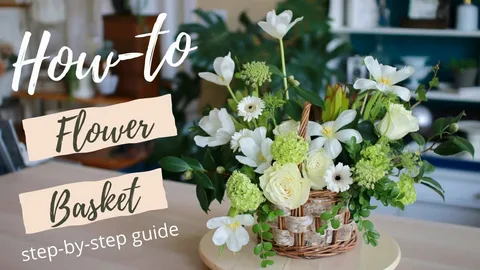
Flowers have an extraordinary ability to communicate emotions without a single word being spoken. A carefully chosen bouquet or centerpiece can express love, sympathy, joy, or gratitude, often more effectively than any verbal message. From grand celebrations to quiet moments of reflection, floral displays create atmospheres that linger in memory.
The arrangement, colors, and even the textures of flowers can evoke specific feelings and set the tone for an event or space. Understanding the art behind floral arrangements can transform ordinary gatherings into memorable experiences
With the right combinations, a simple arrangement can convey thoughtfulness, elegance, or warmth. Floral designs are not only decorative. They carry symbolic meanings recognized in many cultures, making them a powerful tool for expression.
How Do Floral Arrangements Communicate Emotions Effectively?
Floral arrangements communicate feelings because of the natural associations people have with flowers. Bright yellows and oranges convey energy and happiness, while soft pastels bring a sense of calm and serenity. Many flowers carry symbolic meanings, and arranging them thoughtfully can amplify the intended message, though interpretations may vary across cultures. Beyond color, the structure and form of an arrangement influence perception. Understanding these subtle cues allows Floral designers to craft displays that speak directly to the observer’s emotions without using words.
Color Selection and Its Emotional Impact
Color is a primary driver of the message a floral arrangement sends.
- Warm Colors: Reds, oranges, and yellows signal passion, energy, and warmth. These are ideal for lively celebrations or creating a welcoming atmosphere.
- Cool Colors: Blues, purples, and greens convey peace, relaxation, and reflection, often used in serene or contemplative settings.
- Neutrals and Whites: These evoke purity, simplicity, and elegance, suitable for formal occasions or to highlight the beauty of other accent colors.
Flower Choice and Symbolism
Flowers carry cultural and emotional symbolism that enhances the message of an arrangement.
- Roses: Universal symbols of love and admiration.
- Lilies: Convey purity and renewal, often used in ceremonies and memorials.
- Sunflowers: Represent positivity and warmth, instantly uplifting a space.
- Orchids: Associated with luxury, beauty, and elegance.
Pairing colors with meaningful flowers strengthens the emotional impact, creating a visual narrative that resonates deeply with recipients or viewers.
What Role Does Arrangement Style Play in Expression?
The style of a floral arrangement influences how its message is perceived. Arrangements can range from tightly structured bouquets to loose, natural displays. Each style carries a different tone.
Structured Arrangements
Structured arrangements are symmetrical and balanced, often used for formal events. They convey elegance, control, and refinement. These are ideal for corporate spaces, weddings, or ceremonial occasions.
Organic and Free-Flowing Designs
Loose, organic designs evoke creativity, freedom, and spontaneity. They work well in casual gatherings, home décor, or events aiming for a relaxed, inviting atmosphere. These designs often include varied heights, textures, and natural curves, creating a sense of movement and life.
Minimalist Arrangements
Minimalist arrangements focus on fewer elements with thoughtful placement. The simplicity allows each flower to stand out, emphasizing subtlety and classiness. This style is perfect for modern interiors or small spaces where understated elegance is desired.
Floral Arrangements Enhance Experiences and Spaces
Floral arrangements do more than look beautiful, as they transform spaces and elevate experiences. The right display can define the atmosphere of a room, event, or celebration.
Creating Ambiance
Flowers influence mood through visual appeal and scent. Carefully chosen arrangements complement the décor, enhance themes, and guide the emotional tone. For instance:
- Soft pastel bouquets in a lounge create calm and relaxation.
- Vibrant, mixed-color arrangements in dining areas stimulate energy and conversation.
- Seasonal flowers create a connection to nature and timely celebrations.
Guiding Focus and Flow
Arrangements can direct attention to key areas in a room. A tall centerpiece at a wedding draws eyes toward the head table, while a series of small arrangements can lead guests along a pathway or highlight specific décor elements.
Supporting Personal Expression
Floral designs allow personal tastes, styles, and stories to shine. Customized arrangements reflect the host’s personality, celebrate milestones, or honor relationships. They act as a silent narrative, speaking volumes about intentions and care invested in the moment.
Choosing the Right Floral Arrangement?
Selecting the perfect arrangement involves several considerations to ensure it communicates the intended message effectively.
Occasion and Purpose
Different events call for distinct styles and flowers. Weddings often favor romantic, elegant arrangements, while casual gatherings might benefit from cheerful and colorful displays. Understanding the purpose helps in selecting appropriate flowers, colors, and sizes.
Space and Environment
The location of the arrangement affects its size, style, and longevity. Large floral centerpieces suit grand halls, whereas smaller vases enhance intimate spaces. Lighting, room colors, and décor should complement the flowers to create a cohesive experience.
Seasonality and Freshness
Seasonal flowers are often more vibrant, accessible, and cost-effective. They also naturally connect the arrangement to the time of year, creating a sense of relevance and harmony. Freshness is essential for visual appeal and fragrance, both critical in leaving a lasting impression.
Personal Touch and Creativity
Adding unique elements, such as unusual blooms, textured foliage, or handcrafted containers, enhances the individuality of the arrangement. A creative approach transforms standard flower groupings into memorable displays that stand out and communicate thoughtfulness.
Can Floral Arrangements Tell a Story?
Yes, they can narrate stories through combinations of flowers, colors, and styles. Each choice in an arrangement adds a layer of meaning.
Sequential Narratives
Arrangements can be designed to reflect progression, growth, or transformation. A series of arrangements evolving in height, color, or composition can represent life stages, achievements, or celebrations, creating a visual journey for observers.
Emotional Journeys
By carefully pairing flowers and colors, arrangements can guide viewers through emotions. Gentle pastels and flowing lines can soothe, while bright hues and bold shapes inspire energy and joy. This layered approach allows the arrangement to act as both décor and a communication medium.
Cultural and Personal Symbols
They can incorporate culturally significant flowers, representing traditions, beliefs, or values. Personal elements, like favorite flowers or meaningful color palettes, add intimacy and deeper resonance, making the arrangement an expressive and unforgettable gesture.
Professional Designers Enhance the Message of Flowers
Professional floral designers combine knowledge, creativity, and skill to craft arrangements that speak volumes. They understand flower symbolism, color theory, and spatial dynamics, ensuring that every arrangement aligns with the intended emotional impact.
Expertise in Composition
Designers balance color, form, and texture to create harmony. They know which flowers complement each other and how to layer blooms for maximum visual and emotional effect.
Longevity and Presentation
Proper handling, hydration, and placement extend the life of flowers, ensuring they remain vibrant throughout the event. Attention to presentation details like vases, ribbons, or accents enhances the arrangement’s storytelling power.
Customized Designs
Designers tailor arrangements to suit client preferences, occasions, and spaces. This personalization amplifies the impact, making each display unique and meaningful.
Guidance and Consultation
Professionals offer insights on flower selection, seasonal options, and style choices. Their expertise ensures the arrangement achieves the desired emotional resonance without overwhelming the space or theme.
Practical Tips for Choosing Impactful Floral Arrangements
For those selecting or designing arrangements, a few practical tips can enhance effectiveness:
- Match flowers to mood: Align the flower type and color with the intended emotion.
- Consider scale and proportion: Ensure arrangements complement the space without overpowering it.
- Use textures creatively: Mixing smooth petals with leafy greenery adds depth and interest.
- Incorporate natural elements: Branches, stones, or dried elements can add personality.
- Focus on focal points: Highlight one or two flowers as stars of the arrangement for maximum impact.
Table: Flower Types and Emotional Associations
| Flower Type | Emotional Effect |
| Roses | Love, admiration |
| Lilies | Purity, renewal |
| Sunflowers | Positivity, warmth |
| Orchids | Luxury, elegance |
| Tulips | Cheerfulness, grace |
This approach ensures that the arrangement is not only visually appealing but also emotionally expressive.
Conclusion
Floral arrangements offer a silent yet powerful language that transcends words. The right selection of flowers, colors, and arrangement style can transform a space, evoke emotions, and tell meaningful stories. Regardless of whether for celebrations, personal moments, or professional settings, thoughtfully designed flower displays leave lasting impressions. Paying attention to symbolism, composition, and context allows anyone to communicate through flowers effectively.
Floral arrangements are more than decorations. They express thought, care, and creativity. Embracing this language transforms ordinary spaces and moments into memorable experiences. Experts like Growing Wild create floral displays that convey emotion, celebrate milestones, and enhance any environment, letting every bloom share your message.
FAQs
What does a floral arrangement communicate?
A floral arrangement conveys emotions such as love, gratitude, sympathy, or celebration through flower type, color, and style, creating a visual message meaningful for any occasion.
How do flower colours change the message?
Flower colors symbolize emotions: red expresses passionate love, yellow represents friendship, white conveys purity or sympathy, and pink shows admiration or gratitude, influencing the arrangement’s intended message.
How can I choose flowers that say “thank you”?
To express thanks, select bright, cheerful flowers like sunflowers, yellow roses, or seasonal blooms. Opt for warm, uplifting arrangements that feel personal and friendly rather than romantic.
How do I match an arrangement to the occasion?
Pair soft, subtle colors and designs for sympathy or serious events, and vibrant, bold bouquets for celebrations, birthdays, or everyday appreciation, matching flowers to each occasion appropriately.
Why is personalization important in floral arrangements?
Personalizing a floral arrangement by choosing favorite flowers, colors, or styles makes it more meaningful, thoughtful, and expressive, ensuring the gesture resonates uniquely with the recipient.
