


Evolution of Import Supply Operations
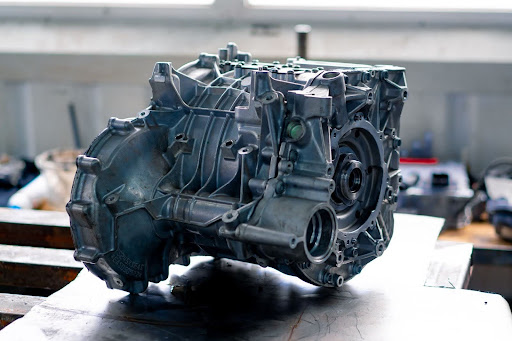
The automotive aftermarket has undergone significant transformation as globalization and improved logistics have created new opportunities for component sourcing. Among the most impactful developments has been the emergence of professional operations specializing in importing quality transmissions from Japan to serve North American markets. These businesses have evolved from small specialty suppliers serving niche enthusiast segments to sophisticated operations providing mainstream solutions for vehicle owners, repair shops, and dealerships seeking quality replacement components at competitive prices.
The Role of Professional Importers
Professional transmission importers serve crucial roles in the automotive supply chain by bridging the gap between Japanese salvage markets and North American demand. These operations maintain relationships with Japanese suppliers, coordinate logistics and shipping, perform quality control inspections, and provide customer support throughout the purchasing process. The best operations distinguish themselves through consistent quality, accurate vehicle compatibility information, responsive customer service, and fair pricing. Choosing reputable suppliers significantly impacts buyer satisfaction and installation success rates, making supplier selection an important consideration for anyone considering imported transmissions.
Evaluating Supplier Quality
When evaluating potential suppliers, several factors indicate professionalism and reliability. Established businesses with track records of satisfied customers generally provide more consistent experiences than newer or less reputable operations. Clear communication about product specifications, condition, compatibility, and pricing demonstrates transparency and professionalism. Comprehensive inventory systems allowing customers to search for specific transmissions by vehicle make, model, year, and other criteria improve the shopping experience and help ensure proper fitment. Warranty offerings protecting buyers against mechanical defects show supplier confidence in their products and inspection processes.
Supplier Specialization
A JDM transmission supplier USA operation typically maintains diverse inventory spanning multiple manufacturers, model years, and transmission types. This breadth of selection ensures that customers can find appropriate components for various applications, from common mainstream vehicles to rare enthusiast models. Some suppliers focus on specific manufacturers or vehicle types, developing deep expertise in particular segments. Others maintain broader inventories serving wider customer bases. Understanding a supplier’s specialization and inventory focus helps buyers identify operations best suited to their specific needs and vehicle applications.
The Import Process
The importation process for transmissions involves numerous steps from initial sourcing in Japan through delivery to customers. Professional suppliers coordinate with Japanese partners to locate specific transmissions meeting customer requirements. Components are inspected, photographed, and tested before being prepared for shipping. Containerized shipping provides cost-effective transportation for bulk components, with transmissions typically arriving several weeks after ordering. Customs clearance, domestic transportation, and final delivery complete the supply chain. Understanding this process helps set realistic expectations about timelines and explains why imported components require longer lead times than domestic parts but offer superior value through quality and condition advantages.
Quality Control Protocols
Quality control represents perhaps the most critical function performed by reputable transmission suppliers. Inspection protocols should include visual examination of external condition, functional testing where applicable, and verification of component specifications. Many suppliers photograph transmissions before shipping, providing buyers with visual documentation of what they’re purchasing. Some operations maintain facilities where they test transmissions before shipping, ensuring shift quality and mechanical integrity meet standards. These quality control measures reduce the risk of receiving defective or misrepresented components, protecting buyers and building supplier reputations for reliability and honesty.
Technical Support Value
Technical support and compatibility assistance add significant value to the supplier-customer relationship. Knowledgeable staff who can answer questions about fitment, specifications, and installation requirements help buyers make informed decisions and avoid expensive mistakes. Some suppliers provide installation guides, wiring diagrams, or other technical resources that facilitate successful installations. Access to expertise becomes particularly valuable for complex applications, unusual swaps, or situations where compatibility questions arise. Professional suppliers invest in technical knowledge and make it accessible to customers, distinguishing themselves from operations that simply move products without providing substantive support.
Pricing Strategies
Pricing strategies among transmission suppliers vary based on numerous factors including sourcing costs, shipping expenses, inventory overhead, and competitive positioning. The most economical suppliers may offer lowest prices but potentially compromise on quality control or customer support. Premium suppliers typically charge more but provide superior service, more thorough inspections, and better warranty protection. Most established operations occupy middle ground, balancing competitive pricing with adequate service levels and reasonable quality standards. Understanding these tradeoffs helps buyers evaluate suppliers and make decisions aligned with their priorities regarding price, quality, and support.
Warranty Protection
Warranty offerings protect buyers and demonstrate supplier confidence in their products. Typical warranties cover mechanical defects for specified periods or mileage limits, excluding damage from improper installation, abuse, or inadequate maintenance. Warranty terms vary among suppliers, with some offering limited coverage while others provide more comprehensive protection. Understanding warranty terms, exclusions, and claim procedures before purchasing helps set appropriate expectations and provides recourse if issues arise. Reputable suppliers honor their warranties fairly and work with customers to resolve legitimate problems, while less professional operations may resist valid claims or make the process unnecessarily difficult.
Return Policies
Return policies and customer satisfaction guarantees vary among suppliers but generally reflect commitment to customer service. Some suppliers offer return windows during which buyers can return transmissions for refunds or exchanges if they prove incompatible or unsatisfactory. Others maintain more restrictive policies, particularly for special-order items or transmissions shipped directly from Japan. Understanding return policies before purchasing helps avoid surprises if compatibility issues arise or transmissions don’t meet expectations. Suppliers with flexible, customer-friendly policies generally inspire more confidence than those with rigid or unreasonable terms.
Logistics and Shipping
Shipping and logistics capabilities directly impact customer experience and satisfaction. Reliable suppliers coordinate efficient transportation, provide tracking information, and ensure transmissions arrive safely and on schedule. Proper packaging protects transmissions during shipping, preventing damage that could compromise functionality or create installation difficulties. Communication throughout the shipping process keeps customers informed about status and delivery timing. Professional operations view logistics as integral to their service offering, not just a necessary inconvenience, and they invest accordingly in systems and processes that ensure positive customer experiences.
Customer Feedback Analysis
Customer reviews and testimonials provide valuable insights when evaluating potential suppliers. Patterns in feedback reveal strengths and weaknesses that may not be apparent from marketing materials or website information. Consistent praise for particular aspects like customer service, product quality, or technical support indicates genuine supplier strengths. Recurring complaints about issues like poor communication, defective products, or warranty problems raise red flags suggesting suppliers should be avoided. While individual experiences vary and some negative reviews appear for even the best suppliers, overall patterns in customer feedback provide useful guidance for decision-making.
Industry Credentials
Industry relationships and certifications can indicate supplier professionalism and commitment to business standards. Membership in trade associations, business bureaus, or industry organizations suggests willingness to operate according to established norms and submit to external oversight. Certifications related to automotive parts, quality management, or business practices demonstrate commitment to meeting recognized standards. While these affiliations don’t guarantee perfect experiences, they generally correlate with more professional operations compared to businesses lacking such credentials and oversight.
Future Market Development
Looking ahead, the transmission import market appears positioned for continued evolution and growth. As more vehicle owners and repair professionals discover the advantages of imported transmissions, demand will likely increase, potentially attracting new suppliers and driving improvements in service, availability, and pricing. Technological advances in inventory management, logistics tracking, and online marketplaces may further streamline the buying experience and improve accessibility. The established operations that have built reputations for quality, reliability, and service will likely strengthen their positions, while new entrants may struggle to compete without investing in the infrastructure, relationships, and expertise required for success. For buyers, the expanding market offers increasing options but also demands careful supplier evaluation to ensure positive experiences and successful installations.
