


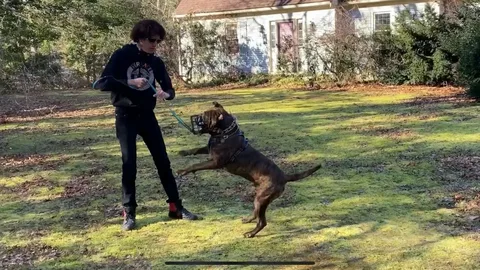
Finding support for a dog exhibiting aggressive behaviors can feel overwhelming. At Rob’s Dog Training, we understand how challenging it can be to navigate these situations, and we’re committed to helping you create a calmer, safer environment for both you and your dog. Our approach focuses on practical, consistent techniques that address the root causes of aggression while maintaining a positive bond between you and your furry companion. If you’re searching for dog aggression trainers in Phoenix AZ, our team is here to guide you with knowledge, patience, and care.
Understanding Dog Aggression
Dog aggression can show up in many ways, from growling and snapping to lunging and biting. While it’s natural to feel alarmed when these behaviors appear, it’s important to recognize that aggression often stems from fear, frustration, territorial instincts, or lack of proper guidance. Each dog is unique, so understanding the specific triggers for your dog is essential.
Aggressive behaviors can also develop over time, sometimes escalating gradually. Environmental factors such as unfamiliar people, other animals, or sudden changes in routine can exacerbate these tendencies. By observing your dog’s behavior carefully, you can start to identify patterns and potential triggers. This is the first step in addressing the issue before it becomes more serious.
Common Types of Aggression
Aggression isn’t always a one-size-fits-all problem. Recognizing the type of aggression can help determine the most effective approach. Some common types include:
- Fear-based aggression: When a dog feels threatened, it may react defensively. This can occur with strangers, other dogs, or new environments.
- Resource guarding: Some dogs protect food, toys, or spaces they value. This type of aggression is often rooted in insecurity rather than malice.
- Territorial aggression: Dogs may become aggressive toward perceived intruders in their home or yard.
- Redirected aggression: Sometimes a dog becomes agitated by one stimulus but directs its aggression toward another, often more accessible target.
Understanding which type your dog exhibits is essential because it shapes the training approach, ensuring strategies are appropriate, safe, and effective.
The Importance of Early Intervention
Addressing aggression early can prevent dangerous situations and improve your dog’s quality of life. Waiting until the behavior escalates often makes the process more stressful for both the dog and the owner. Early intervention allows us to work on developing better communication, setting boundaries, and building confidence in your dog.
With guidance from trained professionals, you can begin to see positive changes more quickly. Training sessions are designed to build trust and understanding, rather than simply suppressing behaviors. The goal is to create a long-term foundation for safe interactions, both at home and in public settings.
Practical Steps to Manage Aggression
Even before formal training begins, there are steps you can take to help manage aggressive behaviors:
- Observe and note triggers: Keeping a log of when aggressive behavior occurs can help trainers identify patterns.
- Maintain a calm environment: Dogs often mirror the energy of their surroundings, so staying calm can prevent escalation.
- Use consistent routines: Predictable schedules for meals, walks, and playtime provide stability and reduce anxiety.
- Avoid punishment: Punishing aggression can increase fear and worsen behavior. Positive reinforcement for calm behavior is far more effective.
- Consult professionals early: Aggressive behaviors can pose safety risks, making professional guidance critical.
While these steps can be useful, professional trainers provide the expertise necessary to address the root causes of aggression in a structured and safe way.
What to Expect from Professional Training
When working with a qualified dog aggression trainer, you can expect a personalized approach. Trainers assess your dog’s history, environment, and behavior to develop a strategy that fits your dog’s needs. Sessions often focus on:
- Behavior modification: Trainers teach techniques to change aggressive responses to more appropriate behaviors.
- Communication skills: Learning to understand your dog’s body language helps you respond effectively.
- Confidence building: Through guided exercises, dogs gain confidence, reducing fear-based reactions.
- Safety management: Trainers provide strategies for keeping everyone safe while addressing aggression.
The goal isn’t just to stop aggressive behaviors temporarily but to provide tools for long-term improvement. Over time, you may notice your dog becoming calmer, more focused, and easier to manage in various situations.
Working Together as a Team
One of the most important aspects of managing aggression is collaboration between you, your dog, and the trainer. Training is most effective when the lessons learned during sessions are reinforced at home. This consistent approach helps dogs feel secure and supported, leading to more lasting changes.
We encourage open communication and active participation from dog owners. Your observations, insights, and feedback are crucial for tailoring strategies that fit your dog’s personality and lifestyle.
Long-Term Benefits
Addressing aggression effectively can have profound long-term benefits for your dog and your household:
- Improved safety for family members and visitors
- Reduced stress and anxiety in your dog
- Enhanced trust and communication between you and your pet
- Greater enjoyment during walks, playtime, and social interactions
- Prevention of future behavioral issues
By working proactively, you’re not only addressing the immediate problem but also fostering a healthier, happier environment for your dog.
Choosing the Right Trainer
Selecting the right trainer is critical. Look for professionals who have experience specifically with aggressive dogs, use compassionate methods, and provide clear guidance for owners. A skilled trainer doesn’t just correct behavior, they teach you how to understand your dog and respond appropriately in challenging situations.
At Rob’s Dog Training, our team has extensive experience handling various forms of aggression. We focus on methods that prioritize safety, understanding, and positive results. Each training plan is tailored to your dog’s needs, ensuring practical solutions that work in real-life settings.
Supporting Your Dog’s Well-Being
Beyond training sessions, your dog’s overall well-being plays a key role in managing aggression. Exercise, mental stimulation, socialization, and proper nutrition all contribute to a calmer, more balanced dog. By maintaining a holistic approach, training outcomes are more effective and lasting.
It’s also important to recognize progress. Even small improvements in behavior indicate that your dog is learning and adjusting. Celebrating these successes reinforces positive behaviors and strengthens the bond you share.
Conclusion
Finding the right guidance for a dog exhibiting aggressive behaviors can be a challenging journey, but with the right support, positive change is possible. Rob’s Dog Training provides compassionate, knowledgeable assistance to help you and your dog navigate these challenges. If you’re seeking dog aggression trainers in Phoenix AZ, we are ready to help you create a safer, calmer, and more enjoyable life with your furry companion. For more information or to schedule a consultation, visit https://robsdogs.com.
